Meta Description: Learn the Pokémon TCG 2026 rotation with our complete guide. Discover which staple cards are leaving Standard format and the best replacement options for competitive decks.
Primary Keyword: Pokemon TCG 2026 rotation
Which Cards are Leaving in 2026 Rotation in Pokemon TCG

Rotation season always brings a mix of excitement and anxiety to the competitive Pokemon TCG community. The 2026 rotation looks particularly impactful as several format-defining cards exit Standard legality. For players rebuilding their decks or considering whether to top up Pokemon TCG pocket to acquire new staples before rotation hits, understanding what’s leaving and what fills those gaps determines whether your favorite strategies survive intact.
I’ve analyzed the upcoming changes thoroughly, and some deck archetypes will need complete overhauls while others escape relatively unscathed.
Understanding the 2026 Rotation Format
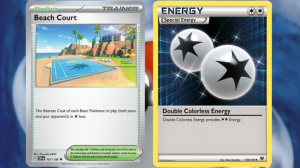
The 2026 Standard format retains sets from Silver Tempest onward. Everything printed before Silver Tempest rotates out on the official rotation date. This cutoff eliminates crucial cards from Sword & Shield era sets that have defined the competitive landscape for the past few years.
The impact hits hardest for players running older deck cores that relied heavily on pre-Silver Tempest support cards. These decks lose their foundational pieces and need substantial rebuilding to remain viable.
Critical Trainer Card Losses
Several universally played Trainer cards rotate out with this cycle. These staples appeared in nearly every competitive deck regardless of archetype. Their departure forces everyone to adapt.
Major Trainer Cards Rotating:
| Rotating Card | Primary Function | Best Replacement | Notes |
| Battle VIP Pass | Turn one setup acceleration | Nest Ball | Less powerful but remains viable |
| Choice Belt | Damage boost vs. Rule Box Pokemon | Defiance Band | Similar effect with minor restrictions |
| Professor’s Research (older prints) | Draw seven cards | Professor’s Research (newer prints) | Same card, just need correct print |
| Collapsed Stadium | Stadium removal tech | Counter Catcher | Different mechanic, similar disruption |
Battle VIP Pass has been an auto-include four-of in nearly every deck since its release. Losing this card fundamentally changes turn one setup patterns across all archetypes. Decks that relied on filling their bench immediately now need alternative strategies or accept slower development.
Choice Belt’s rotation matters less because Defiance Band provides nearly identical functionality. The replacement actually improves against certain matchups. Players barely notice this swap in competitive play.
Energy Acceleration Losses
Several key energy acceleration tools rotate out. These cards enabled specific deck archetypes that may not survive without adequate replacements.
Turbo Patch exits Standard format alongside other powerful acceleration options from earlier Sword & Shield sets. Decks built around rapid energy attachment lose significant consistency. The current Standard card pool offers fewer universal acceleration options post-rotation.
Raihan rotates out as well. This Supporter provided clutch recovery after your Pokemon got KO’d. Players used it to swing momentum back in their favor during difficult matchups. No current replacement offers the same combination of energy acceleration and resource recovery.
Pokemon-Specific Impacts
Certain Pokemon lines lose critical support that made them competitively viable. These losses effectively remove entire deck archetypes from the format.
Affected Evolution Lines:
- Mew VMAX: Lost City Stadium removal hurts consistency
- Arceus VSTAR variants: Older support cards rotating reduce versatility
- Single Prize decks: Loss of specific support tools weakens their position
- Fusion Strike decks: Elesa rotates, eliminating key acceleration
Mew VMAX particularly struggles because it loses several tech options that gave it game against difficult matchups. The deck might survive in some form, but its tier placement likely drops significantly.
On the flip side, this creates opportunities for newer archetypes that didn’t have established competition. Decks from recent sets gain relative power as older threats disappear from the format.
Draw Support Evolution
Draw Supporters see minimal changes overall. Professor’s Research remains legal through newer printings. Boss’s Orders continues dominating as the premier gust effect. These cornerstones of deck construction survive rotation intact.
However, Marnie rotates out completely. This disruption draw Supporter found homes in various control and disruption strategies. Iono provides similar functionality but costs more to play optimally. The replacement shifts how disruption decks operate without eliminating the strategy entirely.
Stadium Card Shake-Up
The Stadium card pool experiences significant turnover. Several format-defining Stadiums exit Standard alongside their specific deck enablers.
Training Court rotates out. Decks that relied on extra card draw each turn need new consistency engines. Path to the Peak also leaves. Pokemon VSTAR and VMAX decks previously soft-countered by this Stadium suddenly gain additional viability.
Newer Stadium options from recent sets provide different utilities. Players need to evaluate whether these alternatives support their strategies adequately or if Stadium-light builds become preferable.
Tool Card Changes
Tool cards see substantial changes affecting how players build defensive and offensive packages.
Big Charm rotates out. This HP boost helped evolution Pokemon survive additional attacks. Losing it makes certain Pokemon easier to OHKO. Bravery Charm from newer sets provides similar but slightly weaker protection for single-prize Pokemon specifically.
Hero’s Cape exits alongside Big Charm. The combined loss reduces defensive Tool options considerably. Decks that previously stacked HP boosts to survive specific damage thresholds need alternative survival strategies or accept worse matchup spreads.
Building for Post-Rotation Success
Deck construction priorities shift substantially in the new format. Consistency takes on renewed importance as powerful search and acceleration tools disappear.
Post-Rotation Deck Building Priorities:
- Increased Pokemon counts to compensate for weaker search
- Higher energy counts due to limited acceleration options
- More draw Supporters since consistency tools rotate
- Stadium cards that provide advantage rather than just counter opponent Stadiums
- Switching cards gain importance with fewer retreat cost reducers
Running thicker evolution lines becomes standard practice. Without Battle VIP Pass enabling explosive turn one setups, you need redundant copies to draw into your evolution Pokemon naturally.
Energy counts should increase by one or two cards in most builds. The acceleration losses mean you rely more heavily on manual attachments. Extra energy ensures you hit your attachment requirements consistently.
Undervalued Cards Gaining Prominence
Several currently underplayed cards gain value in the post-rotation format. These options filled niche roles previously but become staples when their competition rotates.
Buddy-Buddy Poffin emerges as a premier Basic Pokemon search card. It searches multiple Basics simultaneously. The card struggled to find room in decks previously but now serves as a Battle VIP Pass replacement.
Switch Cart becomes more valuable as switching options thin out. The Ace Spec limitation prevents running multiple copies, but its zero-cost retreat ability provides crucial positioning tools.
Meta Predictions
The early post-rotation meta will be highly experimental. Players test various replacement cards to find optimal builds. Expect tournament results to vary wildly for the first month as the community collectively solves the new format.
Decks from the most recent sets likely dominate initially. They lose fewer support cards and maintain higher consistency than older archetypes forced to rebuild completely.
That said, creative deck builders often find unexpected synergies that emerge only after rotation. A previously unplayable card might become format-defining when its natural counters rotate out.
Preparation Strategy
Start testing post-rotation builds now rather than waiting for the official rotation date. Early testing identifies which decks survive the transition and which require complete overhauls.
Acquire replacement cards while prices remain reasonable. Certain cards will spike once the community collectively realizes their new staple status. Getting ahead of price increases saves money long-term.
The 2026 rotation represents a genuine format reset rather than just minor adjustments. Embrace the changes and experiment with new strategies instead of trying to force old decks into a format that no longer supports them.